Environment - general
Infographics and Downloadables
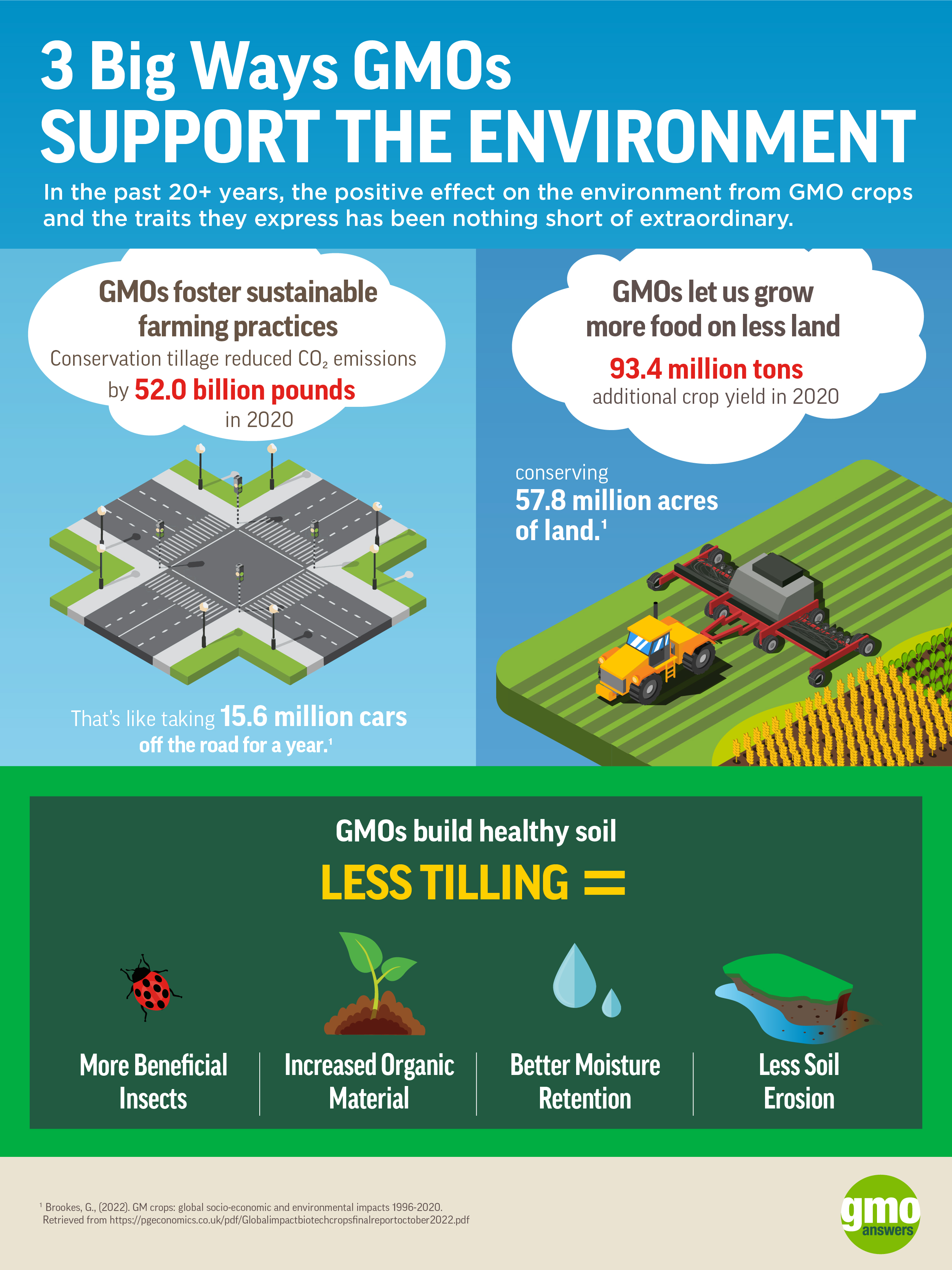
The Environmental Benefits of GMOs
Lower carbon emissions. Healthier soil. More food on less land. Less food waste. All of this without sacrificing nutritional quality or the health and safety of people or the planet – and sometimes even enhancing it. Yes, we’re talking about GMOs.
When you think about the benefits of GMOs, do you think of great big strawberries or seedless watermelons? Most people do. Surprisingly, neither of those things have anything to do with GMOs.
Environmental sustainability is critical to all methods of agricultural production–conventional, organic and genetically modified – and each GMO crop exists to address specific challenges farmers face in feeding and fueling a growing world, including tackling environmental issues. In the past 25+ years, the positive effect on the environment from GMO crops and the traits they express has been nothing short of extraordinary.1
GM crops increase crop harvests and decrease agricultural land use
GMO seeds are one of the tools that farmers use to grow the crops we need to feed the world while leaving enough land for people to live on. Because GMO crops directly combat critical challenges like pests, weather, disease, and food waste, farmers are able to achieve better harvests using less land. In 2020 alone, growing the same amount of crops globally without the use of GM seeds would have required 23.4 million more hectares/57.8 million more acres of land.2 For context, that’s larger than the state of Idaho!
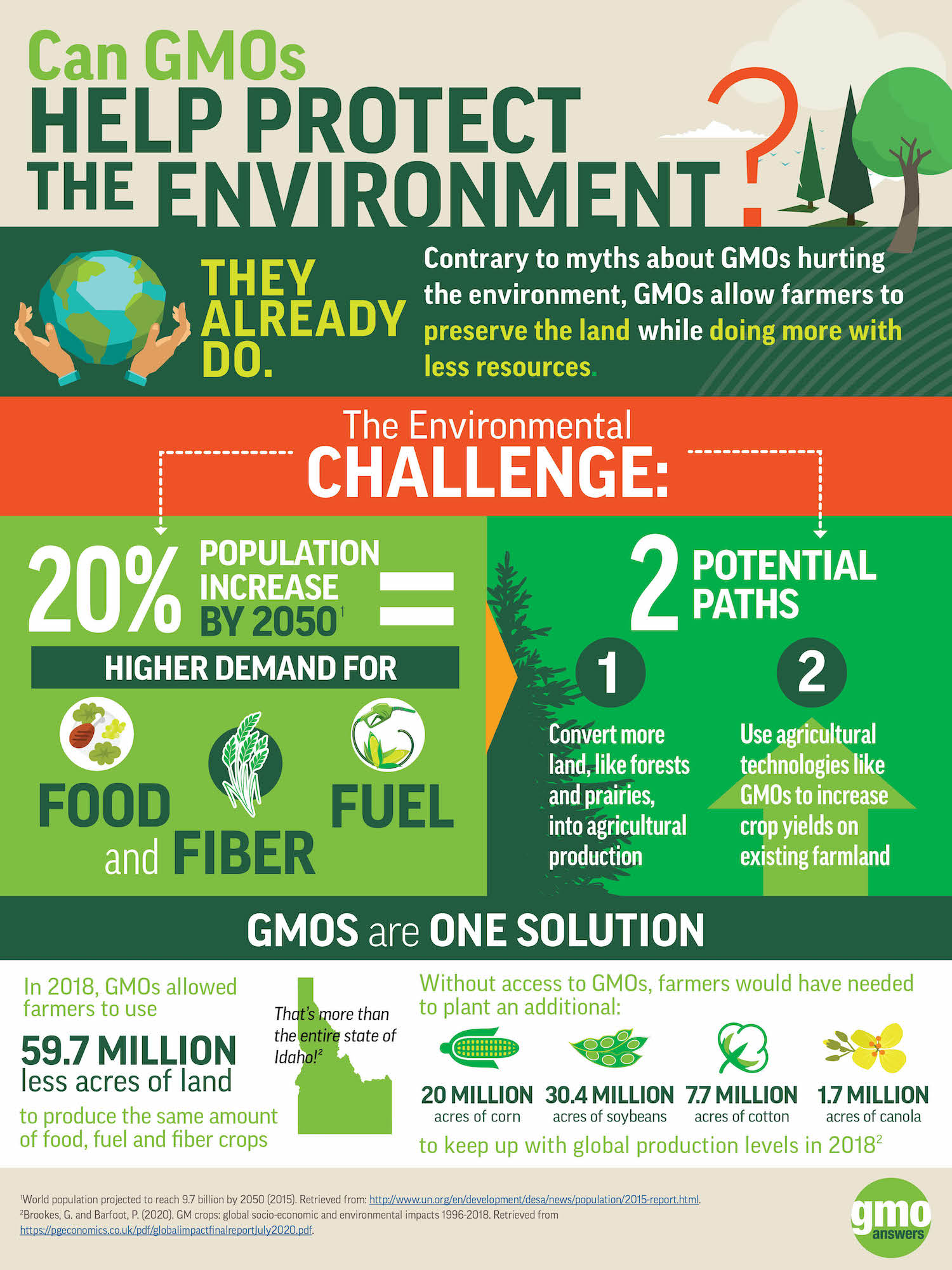
GM crops foster sustainable farming practices
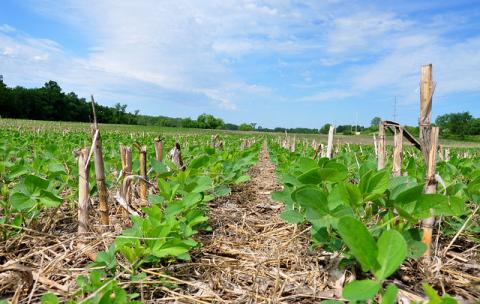
Conservation tillage (no-till, minimal-till or reduced-till farming) is not unique to GMO agriculture. It is an important component of an integrated pest management (IPM) program that is used by many farmers to help increase soil health and cut down on carbon dioxide (CO2) emissions. Instead of tilling an entire field after harvest, farmers can leave what's left of the crops (like corn stalks) in the field, and then plant seeds directly into that residue during the next planting season (like soybeans).
Credit
Herbicide-tolerant crops help farmers control weeds more effectively, and in turn farmers plow fields less frequently if at all, to manage weeds. Because the soil isn’t turned, the carbon naturally stored in soil stays there (soil carbon sequestration). Because machinery isn't used to plow fields, less gasoline is needed, resulting in fewer CO2 emissions from engines.
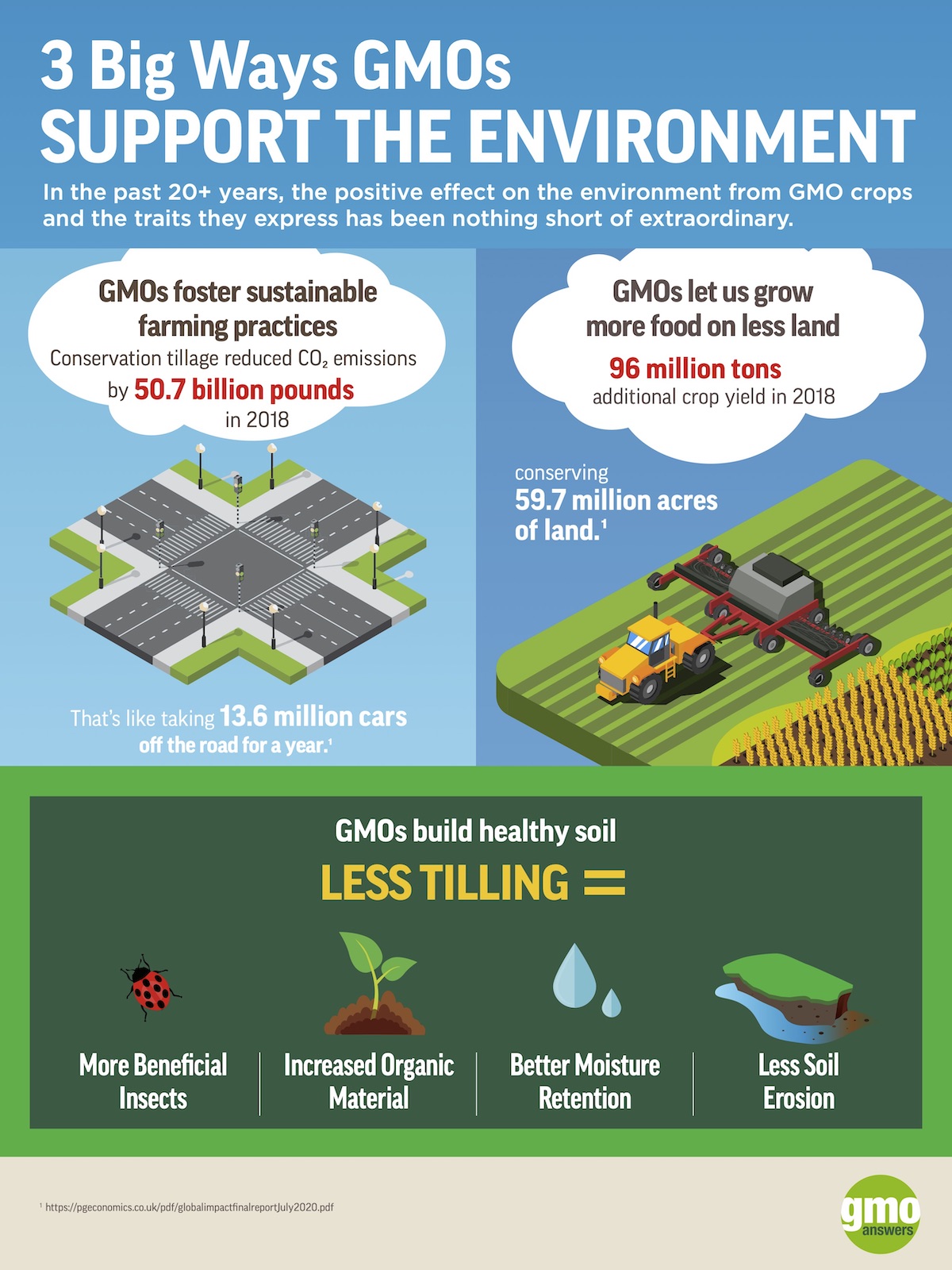
These benefits add up: In 2020 alone, the GM crop-related CO2 emission savings from reduced fuel use and additional soil carbon sequestration were equal to the removal of 15.6 million cars from the road3 - two million more than all the cars registered in California!4
Each additional hectare/2.47 acres of land converted to no-till has a CO2 impact equivalent of erasing the carbon emissions from a drive from Boston to Philadelphia.5
GM crops reduce pesticide applications
GMO crops have contributed to reducing the overall environmental impact of pesticides by 17.3%.6
How so?
Herbicide-tolerant (HT) crops allow farmers to treat fields with pesticides – often glyphosate—instead of tilling, and reduce treatments. Glyphosate is environmentally benign and manages many weed species at once, which makes it a desirable pesticide among farmers. This means that rather than applying different herbicides multiple times throughout the season, farmers can apply a smaller number of herbicides fewer times – much like using one broad-spectrum sunscreen instead of applying both UVA and UVB.
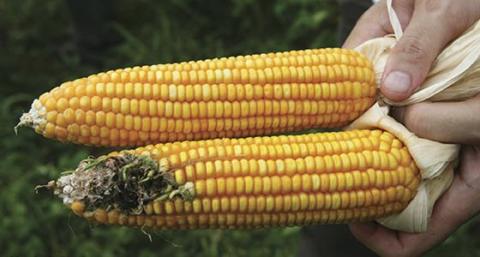 Insect-resistant (IR) crops produce the Bacillus thuringiensis protein (Bt) that is commonly found in nature (and approved for use in all agriculture, even organic) which kills target pests by interacting with a specific cell receptor found in their guts. This receptor doesn’t exist in the guts of humans, other animals nor most insects. This means that when a pest like the European Corn Borer starts munching on a stalk of Bt corn, it dies, but humans are unaffected. Therefore, fewer insecticides need to be applied to ward off these target pests! That’s why 82% of corn and 88% of cotton grown in the U.S. is genetically modified for insect resistance.7
GM crops build soil structure, clean air, and conserve water
The benefits of HT crops to water, soil, and air are all dots that connect. Because farmers till less often, the soil stores more carbon and we emit fewer greenhouse gases (GHG). But reducing the amount of tilling also means that there is less soil erosion – when farmland is exposed to wind and water, the soil is stronger and stays in the fields, and so do any inputs used (like pesticides), keeping them out of our lakes and rivers. With more beneficial insects in the soil along with the remains of the field’s previous crops, the amount of organic material in soil increases, allowing the soil to retain more moisture. The organic matter and moisture that remains in the soil help crops better withstand periods of drought or heavy rainfall.
Read more about the environmental benefits of GMOs in the following links:
- GMOs and the Environment
- Soil, Water and Air
- Five Ways GMOs Benefit the Environment
- Food Waste and Water Loss
- How Do GMOs Impact Soil Health
- Water For Sustainable Growth: How Biotechnology Crops Are One Solution
- How Do GMOs Impact Soil Health
- Why Soil Health Matters & How GMOs Play A Key Role
1 https://pgeconomics.co.uk/press+releases/20/Biotech+Crop+Adoption+Leads+to+Greater+Sustainability+and+Socioeconomic+Opportunities+for+Global+Farmers+and+Citizens
2 https://pgeconomics.co.uk/pdf/Globalimpactbiotechcropsfinalreportoctober2022.pdf
3 https://pgeconomics.co.uk/pdf/Globalimpactbiotechcropsfinalreportoctober2022.pdf
4 https://www.statista.com/statistics/196024/number-of-registered-automobiles-in-california
5 https://gmoanswers.com/sites/default/files/2017globalimpactstudy.pdf
6 https://pgeconomics.co.uk/pdf/Globalimpactbiotechcropsfinalreportoctober2022.pdf
7 https://www.ers.usda.gov/data-products/adoption-of-genetically-engineered-crops-in-the-us/recent-trends-in-ge-adoption.aspx
Study
The following is a study detailing changes that need to be made to global food systems to mitigate climate change. With COP24 starting next week - alongside meetings today on food security at the European Commission and FAO/IFPRI in Bangkok - there is now a vitally important opportunity to drive collective action worldwide to transform global food systems and mitigate climate change. Today, 130 national academies of science and medicine have united to urge policy-makers to take immediate action on climate change to improve the sustainability of global food systems. In a wide-ranging n [...]
Article
GE corn may offset climate change effects
The following is an excerpt of an article on Western Livestock Journal that highlights a study showing GMO corn can help offset the effects of climate change. Count Kansas State University (K-State) Agricultural Economist Jesse Tack among those who recognize unique challenges created by the world’s rising demand for food and changing climates across the globe. Tack and Ariel Ortiz-Bobea of Cornell University recently published a study in the journal, Environmental Research Letters, looking at the impact of climate change on corn yields in eight Midwestern states. The study shows c [...]
Answer
Q: how has gmo had an impact on our lives
A: There are several ways GMOs have had a positive impact on our lives - and really, there are too many to name – so instead, we’ll explore the 6 main ways GMOs impact society. 6 Ways GMOs Impact Society 1. GMOs provide economic benefits to millions of consumers. While the cost of food is impacted by various factors (the price of oil affects transportation costs; temperature changes can cause drought; etc.), GMOs play an important role in keeping those prices as low as possible. It’s estimated that corn prices would increase as much as 28 percent and soybean as much as 22 percent if GM c [...]
Why GMOs are made Environment - general Soil Air GlobalFood Losses & Wasted Water
Water plays a major role in food production, and as a consequence, wasted food translates to an enormous amount of water being wasted. According to the World Resources Institute, an environmental think tank, inside the 1.3 billion tons of food wasted every year worldwide is 45 trillion gallons of water. This represents the equivalent of 24 percent of all water used for agriculture.
Answer
A: Thank you for your questions, we will address each question separately below. How is a transgenic organism or GMO created? When people refer to Genetically Modified Organisms (GMOs), they are referring to precision plant breeding using genetic engineering. It allows plant breeders to take a desirable trait (like resistance to drought, insects, weeds, and disease) from one plant or organism and transfer it to the plant they want to improve, as well as make a change to an existing trait in a plant they are developing. You may have also heard of agricultu [...]
Environment - general Plant breeding Seed improvementAnswer
Q: How GMO help us to feed our ever growing population
A: Thank you for your question. This question has been previously been answered in this response. A snippet of is included below: “Jim Gaffney, PhD, Strategy Lead of Biotech Affairs and Regulatory at DuPont Pioneer says this: “In short, yes, genetically modified (GM) crops are one tool with great potential for helping feed the growing population. The challenge is not just one of increased productivity though, but also of improving prosperity for millions of smallholder farmers and environmental stewardship and sustainability. That's a tall order and we’ll need all the tools available to us. [...]
Global Malnutrtion Hunger Reduced Food Waste Environment - generalAnswer
Q: Do GMOs have positive or negative or positive effects on the environment?
A: Thank you for your question. We have answered similar questions about the effects GMOs have on the environment below: How are GMOs currently affecting the environment, and are the effects expected to change in the future? Are there any environmental risks associated with GMOs? Do GMOs help or harm the environment? We hope this answers your question, if you have any additional questions, please ask! [...]
Environment Environment - generalModern Agriculture
From GPS guided self-driving tractors to drones monitoring crop health, today’s modern farms use an array of innovative technologies to grow crops and utilize resources more efficiently than ever before.