Biotech’s Role in Our Safe and Abundant Food Supply
In the U.S. we are fortunate to have a safe, abundant and affordable food supply, but this isn’t the case in other countries around the world. For many people, "safe and abundant" are not guaranteed. Food security, having enough to eat or the right amount of vitamins and nutrients is a real challenge people face today. Although these may seem just like buzzwords – feeding more people with fewer resources is a real challenge we face as the world’s population grows from seven to nine billion by 2050.
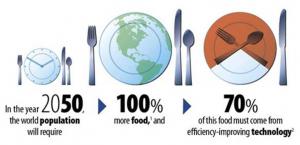 In fact, only with new and existing agricultural technologies can we provide seventy percent of the world’s additional food needs, according to the Food and Agriculture Organization of the United Nations.
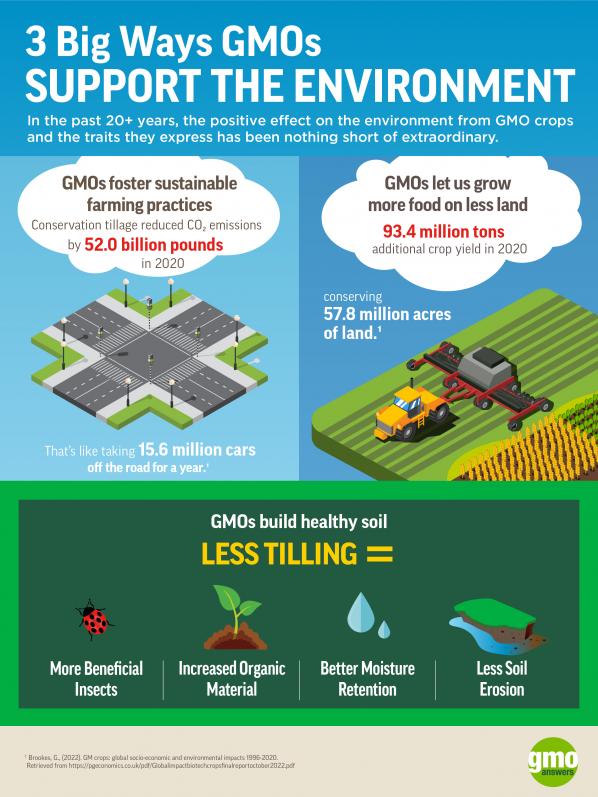
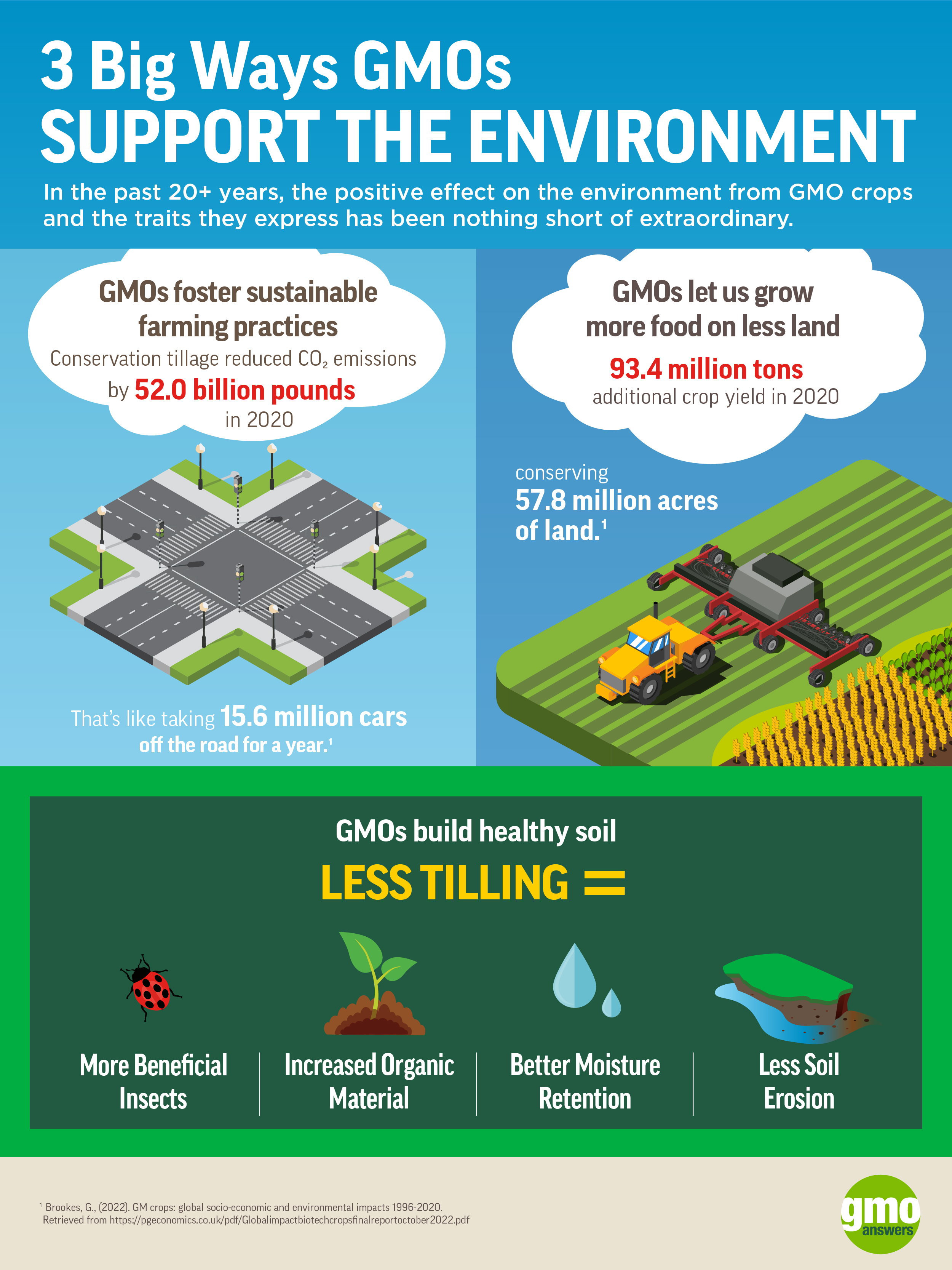
Every day the world’s farmers are looking for ways to grow crops and use fewer resources. Genetically modified (GM) crops are one of the tools they use to increase their productivity while reducing agriculture’s impact on the environment.
Mary Boote, CEO, Truth About Trade and Technology (TATT), explains, “Biotechnology has been helping farmers around the world increase their productivity, boosting crop yields by providing protection from pests, viruses and poor weather. Genetically modified crops are an important tool that helps the world's farmers sustainably feed a growing world population. We hear many positive stories, based on firsthand experience with biotech crops, from farmers around the world every day.”
Agricultural technologies, including biotechnology, are important to achieving food security. As Kent Bradford, director of the University of California, Davis, Seed
Jillian Etress, agriculture teacher and farmer explains, “Biotech crops, as well as those improved by traditional hybridization, allow farmers more security when planting, maintaining and harvesting crops. This security comes in the form of guaranteed germination analysis, more choice when rotating chemistries to control pests and through increased yields. This increased security for the farmer overflows to increased security for our nation's food. This is one reason why the future of biotech and improved crops is so promising for countries with underdeveloped agricultural systems like sub-Saharan Africa, Haiti and India.”
Maryland farmer and registered dietician Jennie Schmidt discusses how improvements in agricultural technology, including biotechnology, lead to sustainability and food security. “In recent years, agriculture as a whole has moved along the sustainability continuum due in significant part to the progress that technology has afforded us to improve our farming practices. Gone are the days of mold board plowing, in are the practices that improve soil conservation and water quality. Gone are the days of overlapping and imprecise applications of seed, fertilizer or chemicals, in are the days of precision agriculture that reduce our inputs, conserves resources, and facilitates conservation and sustainable agriculture. Biotechnology is a piece of that larger picture of agricultural technology.”
Jennie goes on to say, “with more improvements in plant breeding and the beneficial traits that result from biotechnology, agriculture will continue to be able to produce more food on less land and continue to progress along that sustainability continuum even further. Food is a human right and as the population increases, we will face great societal challenges with peace and prosperity. Providing for global food security is key to global stability. Harnessing the best of all agricultural technologies including biotechnology, are part of the framework for sustainable agricultural solutions to meet these needs now and in the future.”
To learn more about the basics of plant biotechnology, how GMOs are developed, grown and studied, or to get more information on GMO testing and regulation, visit our Ask section. There, you'll find answers to over 700 questions about GMOs and biotechnology, and you can ask your own questions!
References: The State of Food and Agriculture 2002. FAO Agriculture Series