Scientific Consensus, History Teaching Us Lessons, and Feeding the World: What We’re Reading – July 2015
In July, we read about the history of GMOs, and how they can help to feed the world and provide a nutritious, environmentally friendly product. Some of our favorite links from July are below.
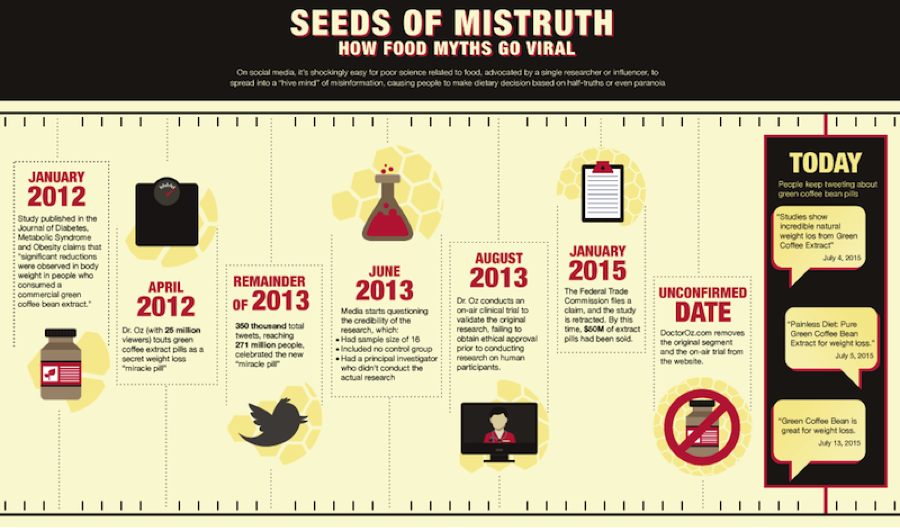
From research room to chat room, follow along with IFIC as they track the life of a food myth – and learn useful tips to help you evaluate scientific evidence, distinguish fact from fiction, and make safe, science-based decisions.
According to Pew Research, nearly 60 percent of Americans believe that GMOs are "generally unsafe,” but the scientific consensus about the safety of GMOs is strong. So why are so many people so scared of them? In this Washington Post article, Jayson Lusk, an agricultural economist at Oklahoma State who has been studying people’s aversion to GMOs since they were introduced in the 1990s, shares how the concern began, what continues to fuel it, and his hope for the future of consumer sentiment about the GMO crops.
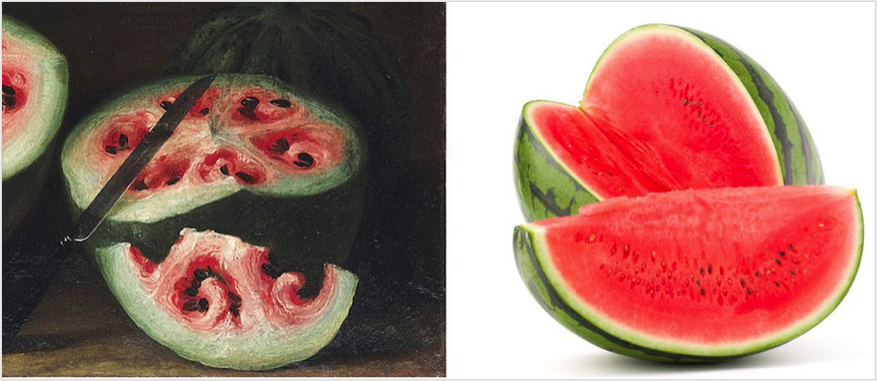
Curious about how food has changed over centuries? Instead of turning to Google, perhaps take a stroll through an art museum. Almost all of the foods we eat today have been modified in some way by humans, and Vox.com spotlights a Renaissance painting that reveals how traditional breeding has changed watermelons over the past 500 years to the cool and sweet summer treat we love today.
One in nine people on Earth (approximately 795 million people) are food insecure, according to the World Food Programme. The Conversation takes a look at how GM crops can help reverse this situation. This story, “Can gene editing provide a solution for global hunger?”, explores how new technologies can help the developing world grow more nutritious and environmentally sustainable food.
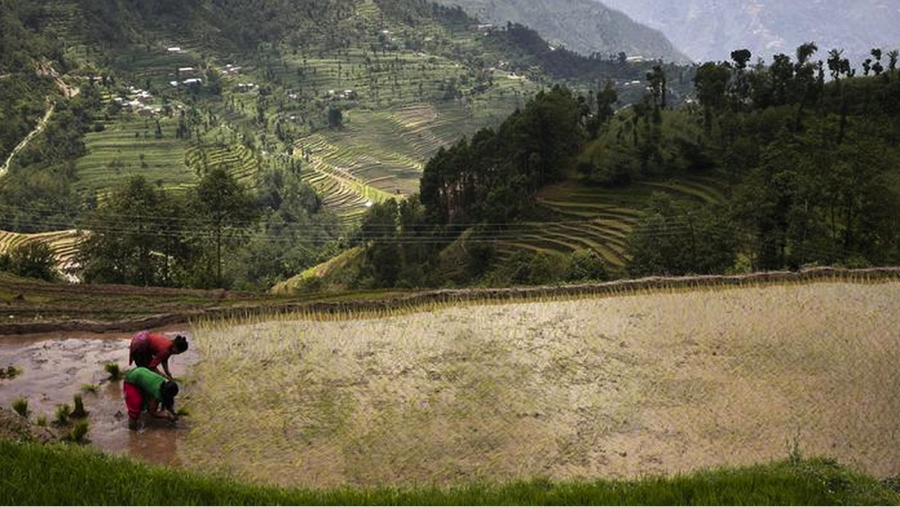
You’ve probably heard about Golden Rice in the news, which, if available, would help combat Vitamin A deficiency in parts of the world where that’s a major problem, preventing 500,000 cases of irreversible blindness and up to 2 million deaths each year. Now, we’re learning about a new GMO rice that could reduce greenhouse gas emissions by producing less methane. Learn more in the Los Angeles Times about this genetically modified rice that provides “a tremendous opportunity for more sustainable rice cultivation,” and the barriers faced in bringing it to market.
Have you heard someone say that the Bt toxin in GM crops is 1,000 times more concentrated than it is in Bt sprays? Or is it as Greenpeace investigators have found these levels to be “very low”? What about this: Golden Rice shouldn't be consumed because it has too much (or is it too little?) beta carotene? Grist takes a look at the roots of these GMO flip-flops, and examines the confusion caused when a belief is allowed to trump the evidence. http://grist.org/food/slate-anti-gmo-activists-say-the-darnedest-things
Did we miss anything? Share links to your favorite posts on our Facebook page!