May the Force of Biotechnology Be With You: What We’re Reading, February 2016
The latest installment in the Star Wars franchise isn’t the only thing providing a New Hope. Supporters of biotechnology can Strike Back against the myths about GMOs. You don’t have to graduate from the Imperial Academy to know the facts about genetically modified organisms. It’s time to go Rogue and read some of the articles that about GMOs that deserve a sequel.
Join The Resistance! Fungal Resistance, That Is
When we think about genetically modified organisms, we usually think of food or crops. But one promising breakthrough in genetic engineering involves a different plant that may come as a surprise: the American chestnut tree. For most of the past century, the species has been devastated by a fungal disease spread by non-native trees. As a result, the tree, which was widespread throughout the eastern seaboard 100 years ago, has been reduced to just a few surviving trees.
 Now a number of researchers, including those affiliated with the American Chestnut Foundation, are working to make the American chestnut into a comeback story worthy of the Rebellion. While some of the research involves crossbreeding to develop hybrid trees that are more resistant to the fungus, this technique has some drawbacks — because the results of crossbreeding can be a bit unpredictable, scientists need to wait years for a new tree hybrid to grow in order to see if it’s fungus-resistant. Enter genetic engineering: With the precision of a lightsaber, researchers are using a technique that inserts a specific gene from wheat into an American chestnut seed that helps provide resistance to the fungus. The advantage to this technique is that researchers know exactly what the end product will be, and they don’t have to wait years for the tree to grow to find out if it worked.
To learn more about the research being done to help the American chestnut tree, please read The American Chestnut Tree Has A Good Shot At Making A Comeback at ScienceLine, a project of NYU’s Science, Health and Environmental Reporting Program.
The History Of GMOS: A Long Time Ago, In A Galaxy Not So Far Away
How long have GMOs been around? From a scientific standpoint, though we may not realize it, we’ve have been modifying the genetics in the world around us for thousands of years. From selective breeding, like domesticating dogs and farm animals, or the hybridization of most of the fruits and vegetables you eat, genetic modification has been around for a long time. Without it, we wouldn’t have any of the fruits and vegetables we commonly see in the grocery store. The discovery of DNA by Watson and Crick in 1953 vastly improved scientists’ understanding of genetics and applications of biotech methods, allowing researchers to turn some genes on and off or insert genes from similar or different species.
A January 13 article at Gro-Intelligence chronicles the history of genetic modification of crops, taking us from Gregor Mendel’s studies in 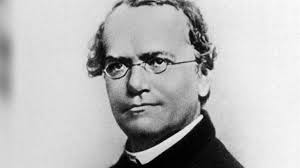 Austria in the 1860s, to the widespread hybrid field crops of the 1940s in the United States, all the way to current GMO technologies that enable crops to be resistant to harmful insects and disease, more tolerant to herbicides and drought, and help fight food loss and waste.
The piece also takes a look at other issues facing GM technology today: new scientific techniques, public opinion, and the regulatory environment.
Check out What are GMOs and How Did They Get Here? to learn more about the past, present, and future of GMOs.
These Are The Apples You’re Looking For
In what may be a breakthrough for GMO fruits and vegetables, a new GMO apple will hit some grocery stores in the Midwest this month, according to a January 23rd article in the Washington Post. The Golden Delicious Arctic Apple could encourage greater fresh apple consumption along with less food waste.
 This is the first genetically modified apple to reach the market. These apples have been bred so that when sliced, they don’t brown like conventional apples, providing a new tool in the fight against food waste. Now when parents put sliced apples in their children’s lunches, picky kids might be more likely to eat them instead of throwing them away because they’ve turned brown. No Jedi mind tricks needed here.
Because pre-sliced, packaged produce, from ready-made salads to other prepared fruit, is a growing segment of the grocery aisle, companies are always bringing new types of these products to market. Del Monte has already announced a GM pineapple that is sweeter and pinker than conventional pineapples. And, Simplot has introduced a GM potato that is more resistant to bruising and resistant to potato blight.
To read more about the Arctic Apple and the launch of their Golden Delicious apple into grocery stores, click here and here.
It’s a Trap! We’re Not That Different After All
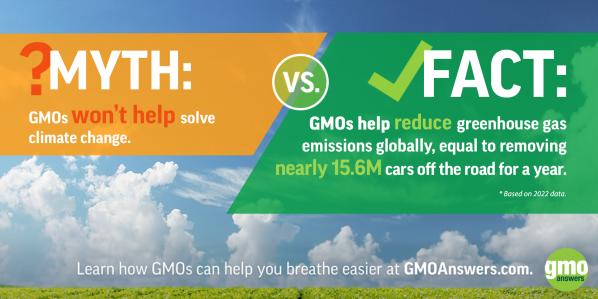
GMO Answers welcomes an honest and open discussion about the role of GMOs in our food and our lives. That’s because wherever you fall in the debate on GMOs, our hopes and concerns about our food are not that far apart from each other. And that’s the point of January 13, 2017 column by Layla Katiraee at Medium, “Pro-GMO or Anti-GMO, Our Goals Are Not That Different.” Katiraee, a gene scientist and mother, notes that we all want safe and healthy food for families, that we want to take care of the environment, and that we want to be able to afford the  things we want to provide to our families. No matter where you are in terms of your support of genetically modified food, we care about how our food is grown, and we care about the planet that we all share. GMO technology can help with all of these concerns. GMOs can help to put nutritious, affordable food on your table. GMOs can help reduce the impact of climate change. GMOs can help to feed an exploding global population.
According to Katiraee, removing GMOs as an option means we run the risk of tying the hands of scientists who are working to solve some very serious problems. For example, GM technology helped save the Rainbow papaya from a virus. GM technology could help fight citrus greening disease, which is threatening Florida’s orange industry. Golden rice, which has been in development for years, could help combat blindness in children in developing areas. When it comes to our food, by looking at what we have in common, instead of our differences, we might find that we can agree on many things.
To learn more about this, please head over to Medium and read the entire column.
As always, if you have any questions after reading this post – please ask!