


GMOs: You've Got Questions, We've Got Answers
This post was originally published on Forbes on October 14, 2015.
Post written by Kate Hall. Kate Hall is managing director of the Council for Biotechnology Information and GMO Answers spokesperson.
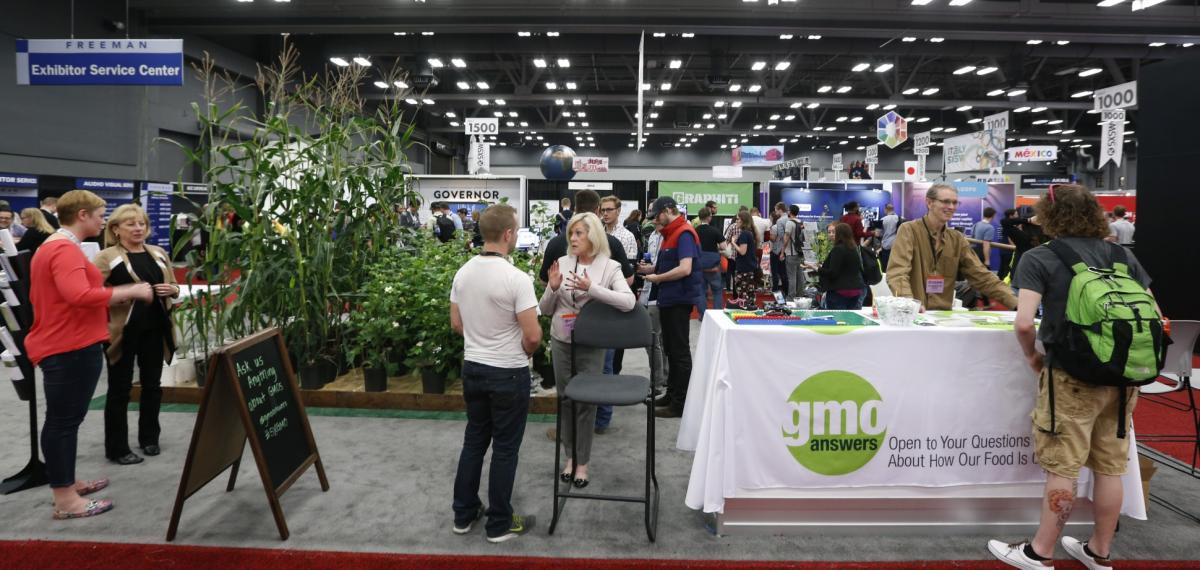
In 2016, we will mark the 20 year anniversary of crops developed using agricultural biotechnology, popularly known as GMOs. Since their introduction, GMOs have been rigorously studied and tested by scientists, government agencies and biotechnology companies. In fact, today’s GM products are the most researched and tested agricultural products in history.
Yet despite all that research, and 20 years of use by farmers, few topics today are so polarizing as GMOs and food, or demonstrate the divide between the scientific community and general consumer so profoundly. In a recent Pew Research Center study, 88% of scientists said they believe GMOs are safe while only 37% of the public agreed.
As an industry, we stand behind the safety of GMOs. And every leading health organization in the world has concluded that foods containing GMOs are just as safe as conventional and organic foods. There are thousands of studies that show GMOs are safe for people, animals and the environment.
Why don’t the other 63% of the public believe in the science?
While over the years our companies continued to communicate with our direct customers – farmers –we failed to communicate with consumers.
With the lack of credible, accurate information available, misinformation about GMOs spread. Claims that GMOs cause serious medical conditions, such as autism and cancer, or introduce new allergens spread across the internet.
Skepticism (and even fear) among consumers grew. And we understand why. The internet claims and images that appeared when someone Googled “GMO” were terrifying.
In July 2013 we set out to change this dynamic and launched a program called GMO Answers. The concept: embrace the public’s skepticism. Answer any question from anyone in the world – no matter how hard or potentially awkward – because we have nothing to hide.
To answer those questions, we work with experts from a range of disciplines in order to provide consumers with balanced, fact-based responses to their questions. Our expert resources include conventional and organic farmers, agribusiness experts, scientists, academics, medical doctors and nutritionists from a wide range of studies. These are the leaders in their fields, respected for their subject matter expertise and their unique insights.
A little more than two years later, we’re proud of what we’ve accomplished. We’ve answered almost 1,000 questions ranging from “how many people have died over GMOs” to “are there any GMO peach trees.”
But this journey to answer any questions hasn’t been easy – we’ve learned a lot:
- More questions than we imagined. People have a lot more questions than we thought and this provides a public forum to talk about GMOs. As a result, it may take some time to answer each question. We seek out the best expertise on a huge range of topics, and since we are working with unpaid experts, we have to be patient.
- Questions about what our companies are funding and why. We underestimated the interest people would have in what goes on inside our companies. And now one of the biggest questions is how companies like those that support GMO Answers fund research, provide grants and give other support for public universities. We recognize this interest and are working to provide more information about these relationships and how GMO Answers experts work with our industry.
- Personal risks for experts. This has been our toughest lesson. We underestimated the emotional nature of this process for the experts who work with GMO Answers. It is difficult for scientists who have dedicated their lives to their research to understand why some of the public hate them and attack their answers. Particularly now that anti-GMO activists have used the Freedom of Information Act (FOIA) to pull many thousands of emails of academics at public universities. The risks associated with speaking up on behalf of science unfortunately came as a difficult learning for both the scientists and GMO Answers.
- Regardless of the threat, scientists will still stick their necks out because they believe in what they are doing. GMO Answers experts are standing firm and answering questions despite the harassment and intimidation because they so passionately believe in helping others understand the science. Our industry stands behind the safety of GMOs and the experts who volunteer to provide answers.
Overall, we’ve learned embracing skepticism and bringing real transparency to the GMO conversation is not easy – because it isn’t just about facts. It’s about really listening and answering people’s tough questions in as authentic and factually validated way as possible. We are committed to continue learning and working to do better.
That’s why we are launching this Forbes column as a new way to engage in an open dialogue about GMOs and provide a new outlet for more voices to participate in the conversation and share their perspectives. If you have questions about who we are and why are here, please ask.