We Are The World: What We’re Reading - May 2016
In May, we read several great articles from around the world about GMOs. GMOs provide benefits for the environment and to farmers globally, particularly in developing countries where farmers reap the greatest benefits.
Some of our favorite links from May are below. Did we miss anything? Share links to your favorite posts on our Facebook page!
R.O.C.K. in the U.S.A.
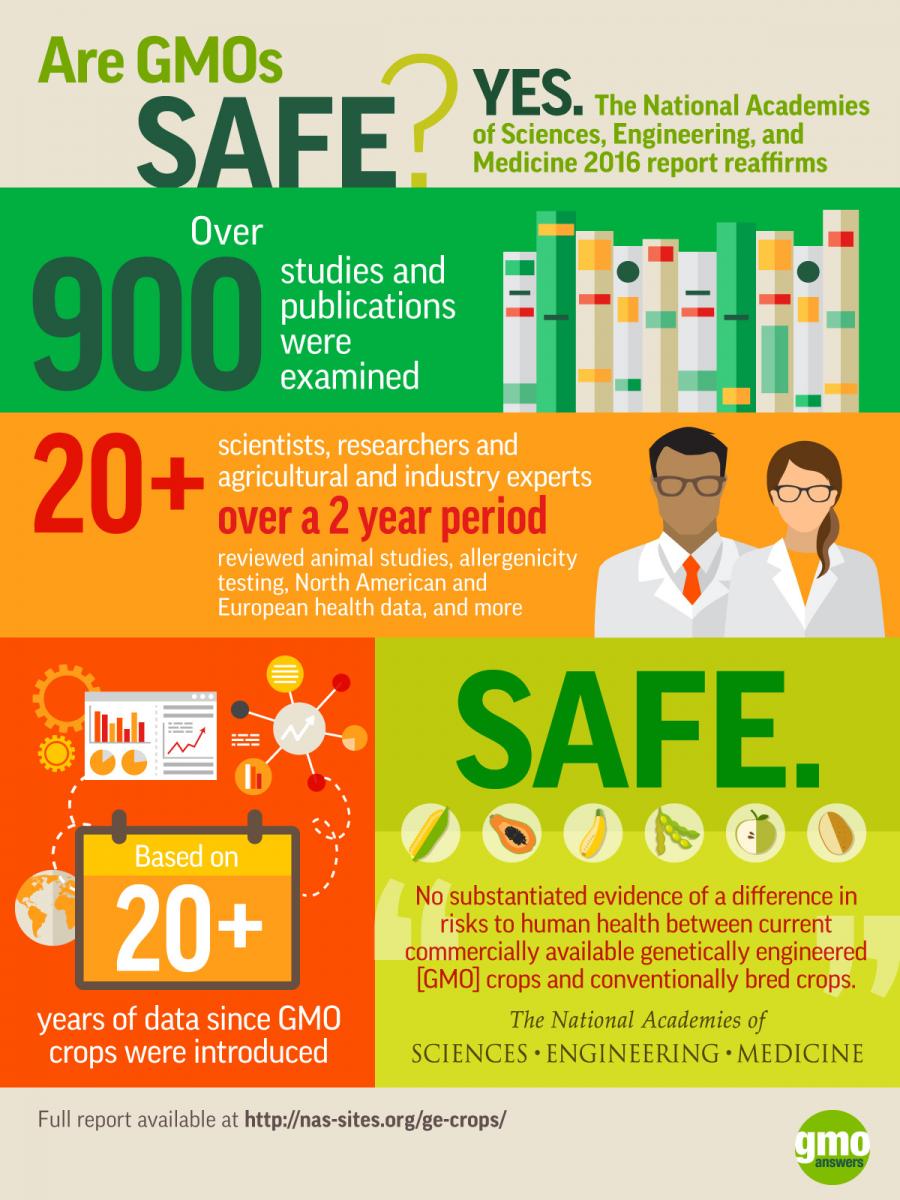
The GE Crop Study published by the National Academies of Sciences was certainly the big news in the United States in May, and garnered a great deal of mainstream media coverage.
Timothy Griffin, an associate professor and director of the Agriculture, Food and Environment program at Tufts University, was one of the members of the committee that issued the study. An interview with him on the Tufts University website highlights some of the findings of the study. He notes, “Our hope is that by doing this very thorough assessment of what we know—and what we don’t know—we can bring down barriers to understanding a very complex and important issue.”
The Chicago Tribune, Washington Post, and Vox.com all provided excellent reporting and unique perspectives on the issue, and are worth a read. You can read our take on the GE Crop Study here on Forbes.
Radio Free Europe
The Royal Society (UK) produced a new video on genetic modification and issued a pamphlet GM Plants: Questions and Answers. This update generated several media articles, including one from the BBC, Royal Society Calls for Review of European GM Ban, in which Royal Society President Venki Ramakrishnan claimed that “the science of genetic modification had been misunderstood by the public and it was time to set the record straight."

Taking their cue from these two new reports, other media outlets published opinion pieces supporting the need for GMOs across Europe.
An editorial in The Guardian states, “For a generation, a campaign by the green movement against the growing of genetically modified
crops has held sway across Europe. These foodstuffs are a threat to health, the environment and the small independent farmer, NGOs have argued. As result, virtually no GM crops have been grown on Europe’s farms for the past 25 years.”
The Telegraph columnist Juliet Samuel concludes, “But rather than shunning the modern wonders that help farmers feed a hungry world, we should marvel at them. And, in our shopping habits and our public policy, we should be guided by science, not superstition.”
I See The Rains Down in Africa
Making the connection between Europe and Africa, Dr. Jennifer Thompson notes how the policies of Europe can have a deleterious effects in Africa. She writes, “Well-fed Europeans say no to food derived from GM crops…But African farmers, when given the chance as in South Africa and Sudan, leap at the opportunity to plant GM varieties.”
Farmers in Africa struggle with a variety of issues, ranging from poverty to difficult growing conditions. The Cornell Alliance for Science has put farmers in Africa in the spotlight, producing articles and videos highlighting a diverse group of thought leaders and the challenges they each face.
 Patricia Nanteza, one of the Alliance for Science Uganda Global Leadership fellows, has written a first-person narrative, Talking About Genetically Modified Crops in Uganda - My Experience. She says they “wanted to take the genetic engineering (GE) conversation to the actual beneficiaries—the farmers. First, we wanted to explain what this monster called GE is and later relate to them what kind of GE research is taking place at research institutions in Uganda.”
Other pieces from the Alliance for Science include a video of Daniel Otunge, coordinator of the Open Forum on Agricultural Technology, discussing the critical need for biotechnology and innovation in Africa. Finally, a video and article by Dr. Andrew Iloh and Dr. Rose Gidado makes the connection between planting GMO crops and helping to combat climate change in Nigeria.
It’s A Small World After All
Looking holistically at the global impact of GMOs, a new economic report highlights the importance of GMOs worldwide. A study by UK-based PG Economics finds that farmers around the world who use genetically modified seeds reaped economic benefits averaging more than $100 per hectare in 2014 while at the same time improving the environmental sustainability of their operations. The author of the study, Graham Brookes, notes, “Two-thirds of these benefits derive from higher yields and extra production, with farmers in developing countries seeing the highest gains. 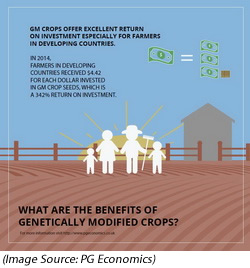
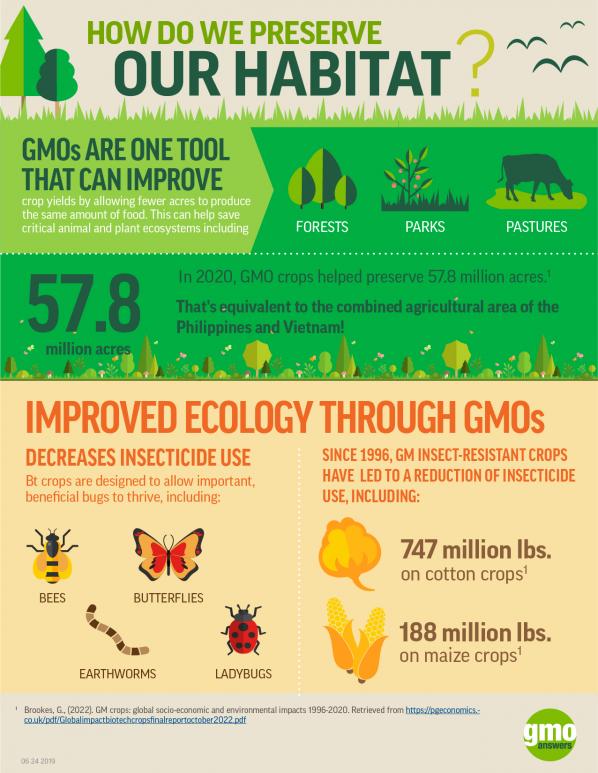
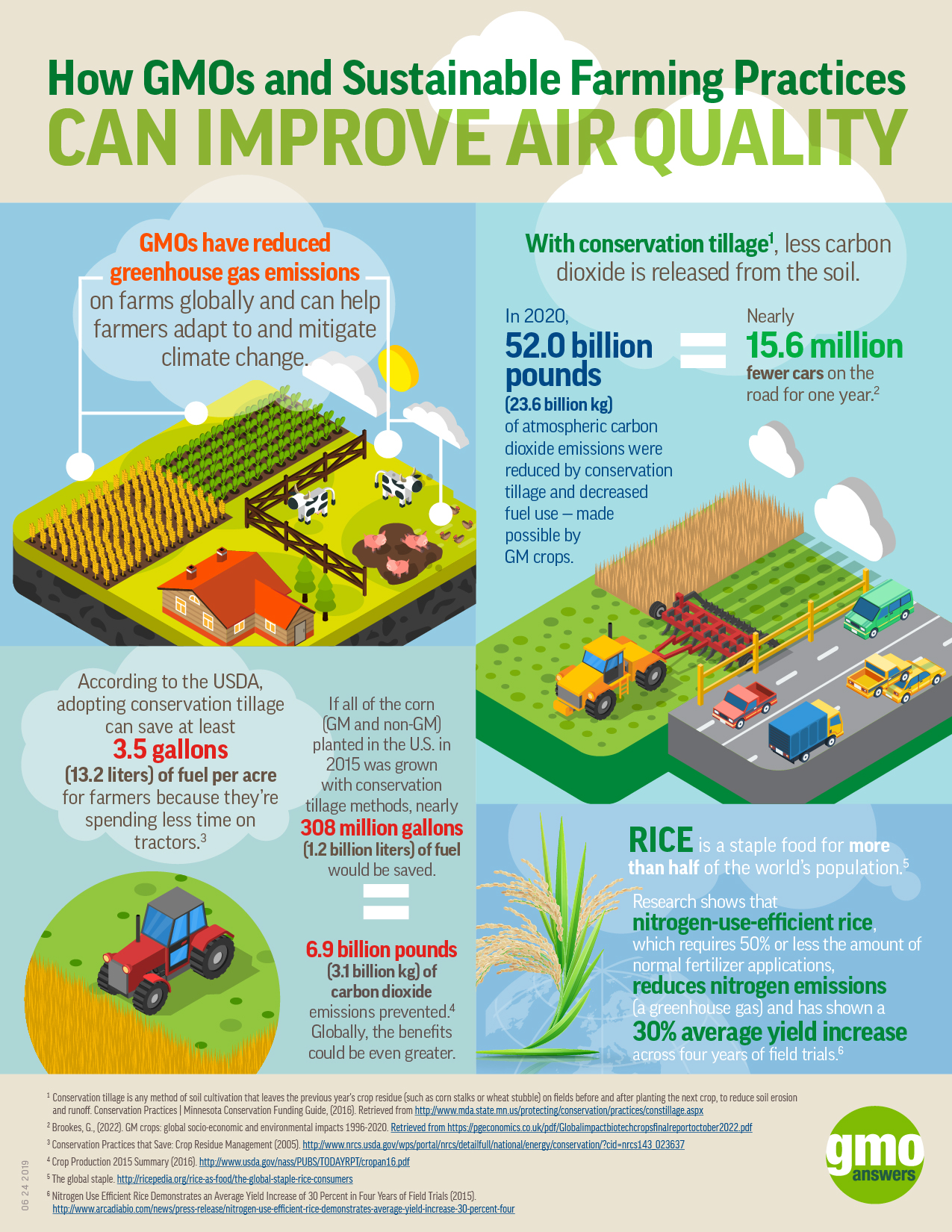
The environment is also benefiting as farmers increasingly adopt conservation tillage practices, build their weed management practices around more benign herbicides and replace insecticide use with insect resistant GM crops.”
Truly, GMOs are a global technology, and should be part of the agriculture toolbox around the world. As Doug Saunders, a columnist for the Canadian newspaper The Globe and Mail, writes in his piece More Than Ever, The World Needs GM Crops, “We could play a big part in helping to make starvation, malnourishment and poverty far less commonplace. We need to begin by ridding ourselves of supermarket-based superstition.”