In October, GMO Answers read a number of compelling articles on GMOs. Here are a few that caught our attention and are off the bench and sparring for a great match-up.
Climate Change & GMOs vs. Myths & Emotions: the match-up where science should get a TKO.
The scientific method (observe, hypothesize, predict, test, analyze, repeat) is generally accepted as the fundamental approach to modern day science. But in spite of the scientific consensus on GMO safety and global warming, emotions and unfounded myths often lead to the rejection of science and decades of peer-reviewed studies. Can the science be “wrong” when it comes to GMOs or climate change?
Bob Langert explores what he describes as a baffling disconnect between science and public opinions in: If science is good for climate change, why not for GMOs?
Winning the fight against food allergies with biotechnology.
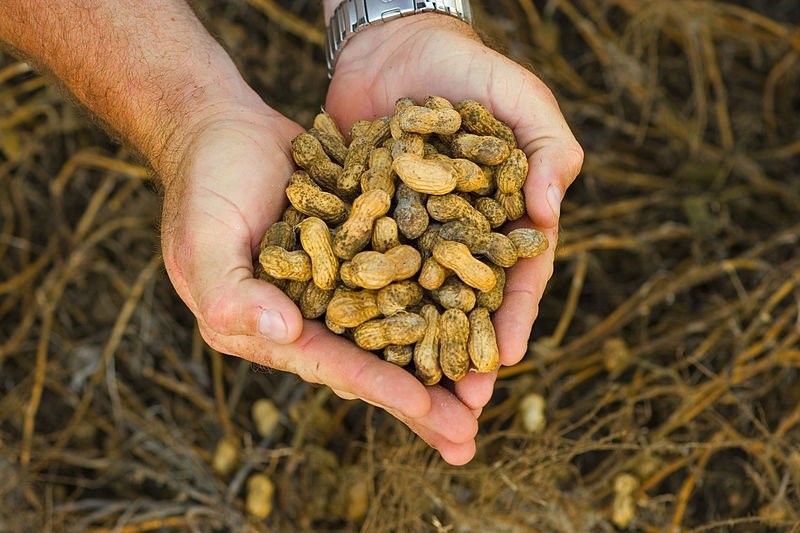 As of 2010, the prevalence of peanut allergy among U.S. children alone has tripled. While peanuts are not now, nor have they been, a product of biotechnology, scientists are exploring the use of a new genome editing technology, CRISPR/Cas9, to create allergy-free peanuts.
GMOs are typically made by transferring genes from one type of species to another, but as Business Insider’s Tanya Lewis reports, by using CRISPR/Cas9, scientists are able to alter the proteins that cause peanut allergies by swapping in genes from other varieties of the same plant. This new technology could change the food allergy scene in just five to ten years!
The public may have glyphosate on the ropes, but scientific consensus says otherwise.
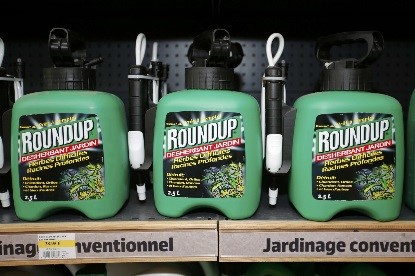 When IARC declared glyphosate a probable human carcinogen earlier this year, the public debate on the safety of glyphosate was reignited. Seven months later, Tamar Haspel takes a close look at the disconnect between what the science says and what the public is willing to accept about the safety of glyphosate, in her most recent column on The Washington Post.
According to David Ropeik, author of “How Risky Is It, Really? Why Our Fears Don’t Always Match the Facts,” exposure levels aren’t what scare us.
“We are more afraid of threats that are human-made than those which are natural,” he says. As well as “threats we can’t detect with our senses,” “risks that are imposed on us” and “threats generated from sources we don’t trust.”
“Glyphosate is four for four: made by humans, undetectable, hard to avoid and generated by Big Agriculture. Alcohol consumption? Batting zero. Pass the Riesling, which will go nicely with Chinese-style salted fish.”
So how dangerous is glyphosate? Tamar Haspel enlists the help of toxicologist David Eastmond to answer this question on The Washington Post.
Sidestepping around the ring, don’t let the stigma of GMOs being “something different” change your mind.
GMOs are oftentimes referenced as “frankenfoods” or “unnatural” foods made in labs. But some people are really excited about them, too. Jake Leguee, a farmer from Saskatchewan, Canada, is one of those people.
Why? Because GMOs help him do today what used to seem impossible – feed 7 billion people - and will help us meet the needs of the future (including fighting malnutrition and growing better crops). Are GMOs really that different from other crops? Jake reminds us that all of our crops have been modified in different ways, and encourages us to see beyond the stigma of genetic modification.
Down for the count, but can they bounce back – Europe’s rejection of GMOs.
Mark Lynas, a former GMO opponent, reports on the 17 European countries that have opted out of GM crops. By opting out, the 17 European countries are giving up the following benefits from GM adoption:
-
“Europe has chosen chemistry over biology: It will not be able to reduce fungicide applications by adopting genetically modified blight-resistant potatoes; nor can it cut down on insecticide sprays, since it won’t allow genetically modified insect-resistant crops to be grown.”
-
A “2011 survey estimated that European farmers’ failure to adopt G.M. crops had resulted in lost revenue of between 500 million and one billion euros per year.
-
“Europe’s stance, if taken up internationally, risks marginalizing a critically important technology that we must surely employ if humanity is to feed itself sustainably in an increasingly difficult and challenging future.”
-
“Europe’s G.M.O. phobia may slam the door on new technologies. For example, the gene-editing tool known as Crispr is on the brink of revolutionizing the field of genetics internationally.”
Read Mark Lynas’ full article at The New York Times. Looking for more information on the 17 European countries’ GMO opt-out, we recommend:
Back on U.S. soil - don’t count out U.S. politicians - the Senate warms up to GMOs, changing the landscape of the GMO match.
For the first time in a decade, the U.S. Senate held a hearing on agriculture biotechnology and GMOs. What did the senators say about GMOs? Grist’s Nathanael Johnson provides and overview of the hearing, and reports on some surprising outcomes.
“As the hearing went on, I started scanning through the members of the agriculture committee to see who might claim the anti-GMO position. Patrick Leahy from Vermont? New York’s Kirsten Gillibrand? But it never happened.”
Read Nathanael Johnson’s full recap of the hearing at Grist, and view the full senate hearing here.
These are some of the articles about GMOs and biotechnology that caught our attention in October - did we miss anything? Share links to your favorite posts on our Facebook page!
 In case you missed it…October was Get to Know GMOs Month!
Check out the Get to Know GMOs articles posted each week in October. GMO Answers took a deeper dive into what GMOs are, clarified the most common questions about GMOs and addressed concerns and misconceptions about GMOs.
Get started with the first post in the series, "What is Get to Know GMOs Month?" and take a look at the other Get to Know GMOs posts: Sustainable Farming Practices You Didn’t Know are Used with GMO Crops, Land, Soil, Sustainability and Spooky GMO Myths-Debunked.
And don’t forget to follow our #100DaysofGMOs!
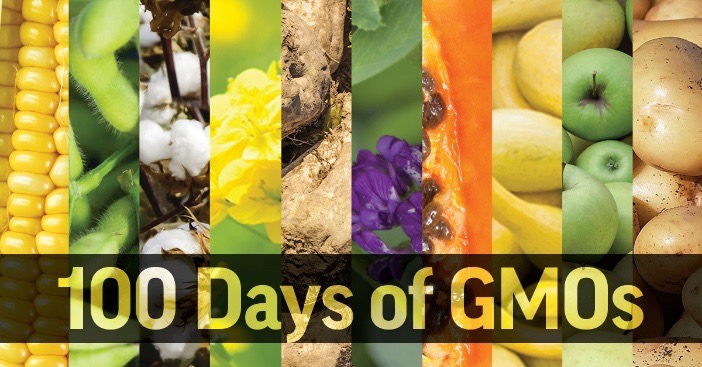
After answering more than 1,000 questions, we launched 100 Days of GMOs. GMO Answers is sharing one question per day of the 100 most asked and accessed questions posted to the website across its social platforms, using the hashtag #100DaysOfGMOs.