Humans of New York feature sparks heated debate – Here’s why we need to talk
This post was originally published on GMO Answers' Medium page.

Humans of New York (HONY), the popular photo blog dedicated to chronicling intimate moments with people from around the world, recently featured a Facebook post about a young man studying agriculture in India who aspires to use biotech to help smallholder farmers improve crop yields.
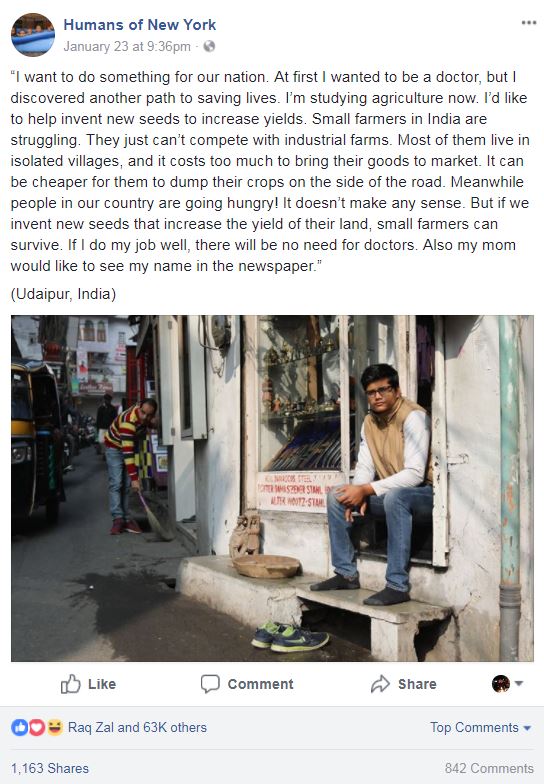
Within hours, the post garnered hundreds of comments – sparking a heated debate, on both sides about the impact of genetically modified (GMO) seeds have on smallholder farmers in developing countries. This is an important conversation to have, but it should be based on facts and science – not myths. We’ll examine some of the most common misconceptions below.
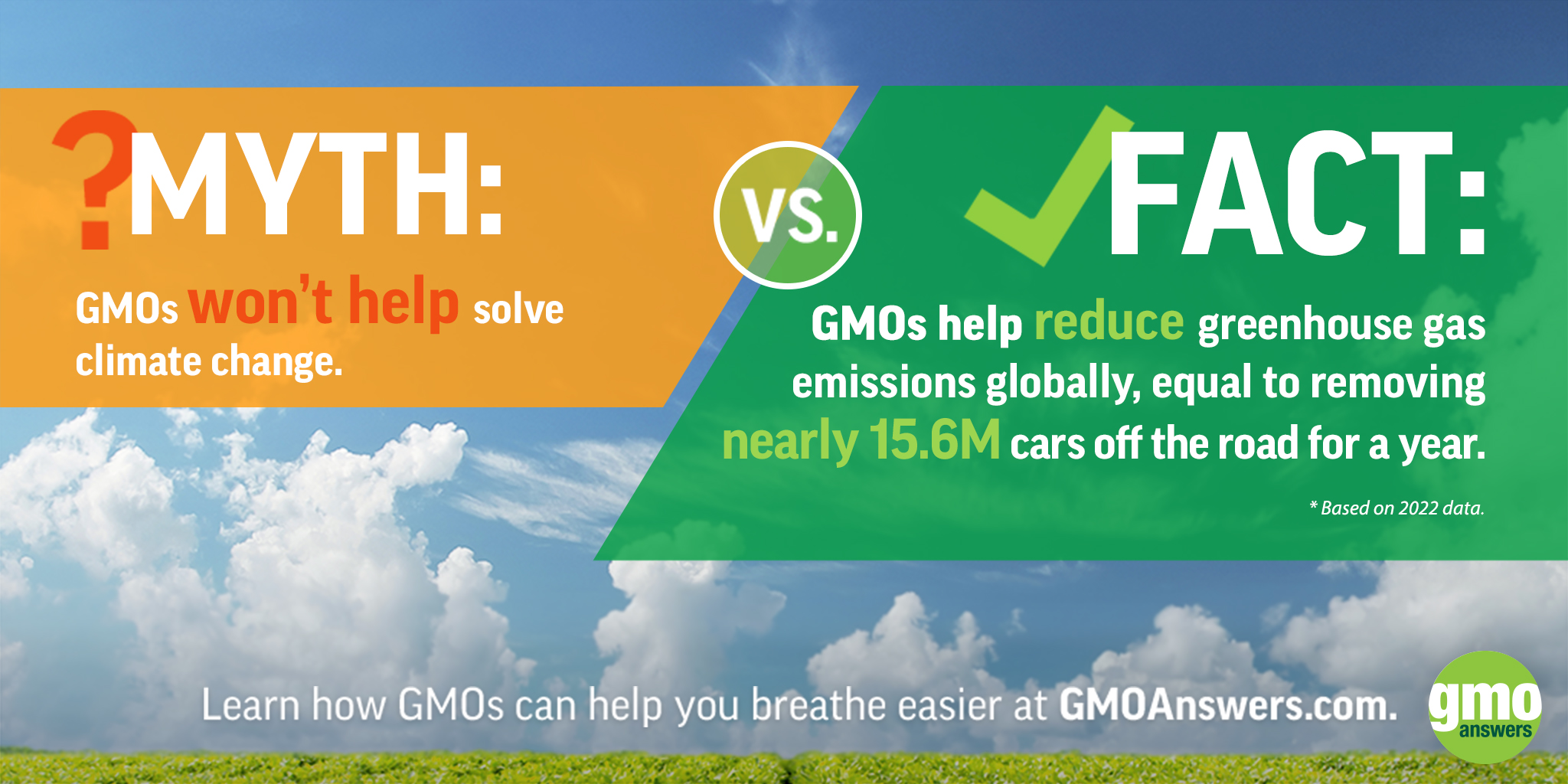
MYTH: GMOs are bad for smallholder farmers in developing countries
FACT: GMOs greatly benefit smallholder farmers in developing countries.
According the Food and Agriculture Organization of the United Nations (FAO), 9 out of 10 farms are small. In India, the genetically modified eggplant helped farmers combat the fruit and shoot borer worm, which threatened an estimated 20-40% of their eggplant crops. Public-private partnerships have developed a Water-Efficient Maize for Africa (WEMA), improved cassava, sorghum, bananas, and more, enhancing the nutrition of crops and sustainability of those crops.
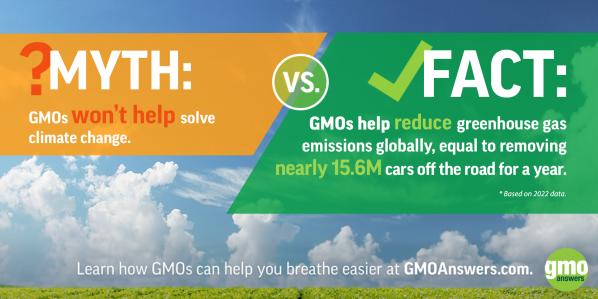
MYTH: GMOs are not good for the environment
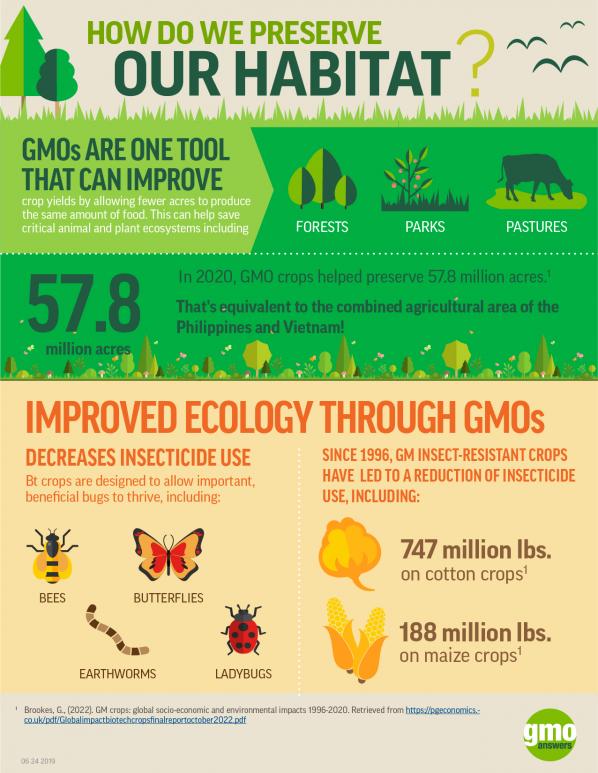
FACT: GMOs allow farmers to grow more with less.
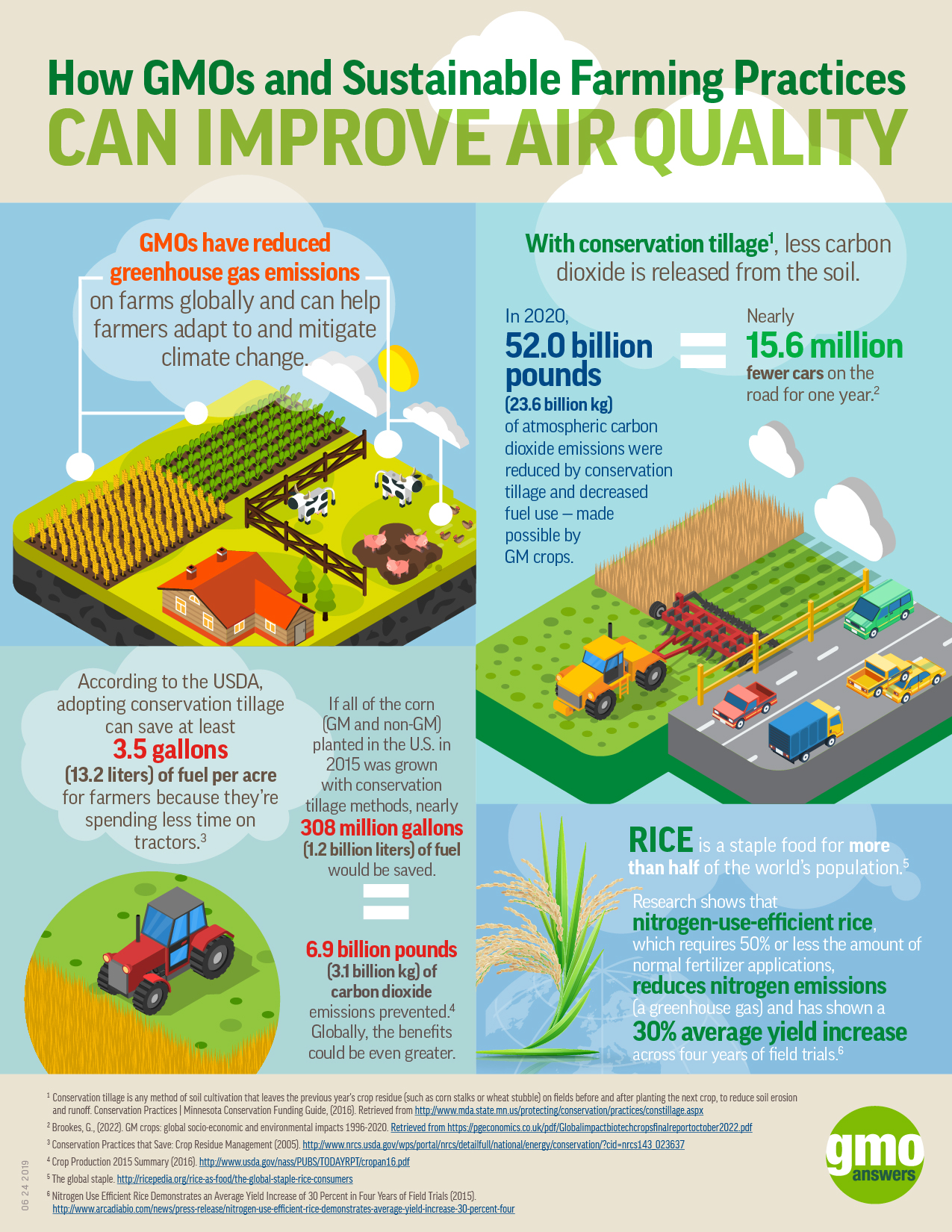
GMOs can actually reduce the environmental impact of farming, allowing farmers to grow food more sustainably. Whether it’s less time spent on a tractor tilling soil, which helps to reduce carbon emissions, or applying fewer insecticides, GMOs help farmers to reduce their environmental footprint in many ways.
In 2015, GMOs allowed farmers to use 48 million fewer acres of land to produce the same amount of crops. As the world’s population continues to grow, finding more sustainable ways to produce our food will become even more critical.
MYTH: Big Seed Companies force farmers to buy GMO seeds.
FACT: Farmers choose to use or not use GMO seeds based on the needs of their farm.
In fact, there are a wide variety of seed options available to farmers, including organic, hybrid, conventional and genetically modified seeds.
Jillian Etress, a high school agriculture teacher and family farmer from South Alabama, also offers her perspective in this post, where she explains that on her farm, they “choose to use or not use GMOs based on the needs of our farm.”
We couldn't agree more. GMOs are one tool in a modern farmer’s toolbox.
Liz Caselli-Mechael, agricultural economist put it best in this Forbes post when she said, “We need to make technology, including (but not limited to) improved and GMO seed varieties, available in the places that need them most.”
Interested in joining the conversation online? You can comment on the HONY Facebook post here.