In January, we learned how genetic engineering is saving some of our favorite foods, from bananas, potatoes and even bacon. Take a look at some of the articles that caught our attention in January.
Bananas are on the verge of extinction. Can genetic engineering save them?
 Bananas are the fourth most consumed crop after wheat, rice and corn – more than 100 billion bananas are consumed each year. Today a little less than 50 percent of the bananas grown worldwide are Cavendish. Cavendish bananas, named after an English family, descended from one plant grown 180 years ago on the family’s estate.
Duncan Leatherdale at BBC News reports that Panama Disease, a fungus that lives in the soil and infects the banana's root system, has destroyed thousands of hectares of Cavendish bananas. Dr. Gert Kema, an expert in global plant production states, "It's a huge issue for growers who have already been affected in places like the Philippines but awareness is only now growing in the Americas who are yet to be hit. The potential for devastation if it does reach them is almost total." The solution may be twofold – contain the epidemic and find a new banana resistant to the disease.
"To carry on growing the same genetic banana is stupid…It is necessary that we improve the Cavendish through genetic engineering but parallel to that we must be finding genetic diversity in our breeding programmes," continues Kema.
Learn more about Panama disease and the Cavendish banana.
Genetic engineering is already saving the potato from blight.
Looking beyond bananas, genetic engineering is now protecting our favorite tuber: potatoes. The FDA recently approved a genetically engineered potato that resists the same blight that destroyed Ireland's crops in the 1840s. (Yes, the same infamous blight responsible for the Irish potato famine.) Read the full article at The Denver Post here.
In the works: using gene editing to improve pig health.
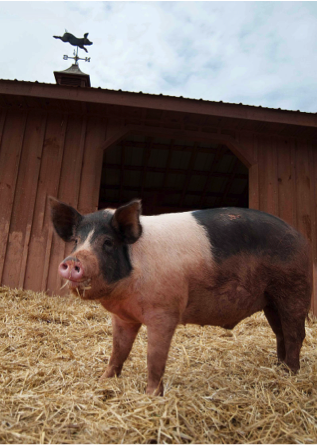 Researchers are working on the next genetically engineered animal. Fast Company article, What Genetically Engineered Animal Will Land on Your Dinner Plate Next?, highlights the recent advancements of a disease resistant pig.
Adele Peters at Co. Exist reports that researchers are “using precision genome editing to produce pigs that, in theory, will be able to resist a deadly swine virus.”
In addition, researchers at Seoul National University modified a gene in pigs that allows them develop more muscle, which yields more pork.
(Note although the title of the Fast Company article referenced above implies genetic engineering, these pigs were developed using gene editing which is not considered genetic engineering).
Fact Finding: The GMO debate.
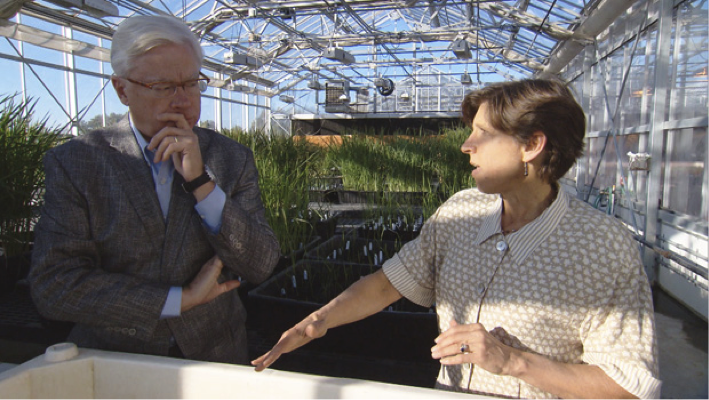
In this video, Barry Peterson of CBS News interviews people from all over the GMO spectrum – from Hugh Grant, CEO of Monsanto, to Marcia Ishii-Eiteman, senior scientist at the Pesticide Action Network, to discuss GMO safety and GMOs in development.
Ultimately, Peterson is trying to understand: “Is all this fear justified?” Watch the full video below, and decide for yourself:
FLOSN: coming to a school district near you?
Sausalito Marin City School District recently became the first in the nation to serve exclusively fresh, local, organic, seasonal, and non-GMO ingredients, known as “FLOSN.” Read more about this new school meal program here and here.
As always, if you have any questions after reading this post – please ask!
Join us for 100 Days of GMOs!
 After answering more than 1,000 questions, we launched 100 Days of GMOs - sharing one question per day of the 100 most asked and accessed questions about GMOs on social channels, using #100DaysOfGMOs.